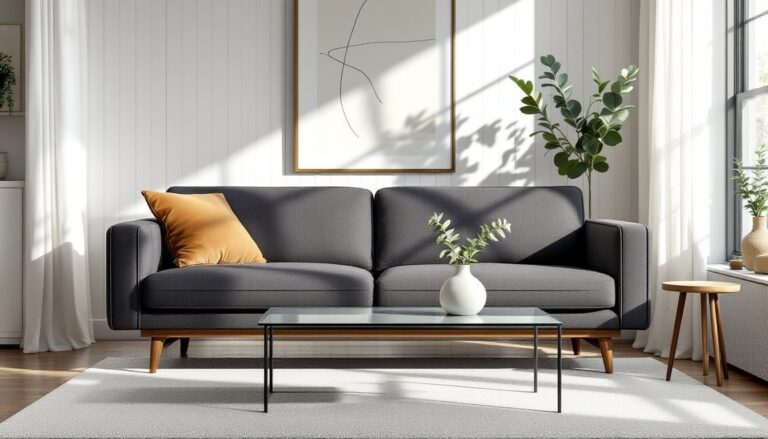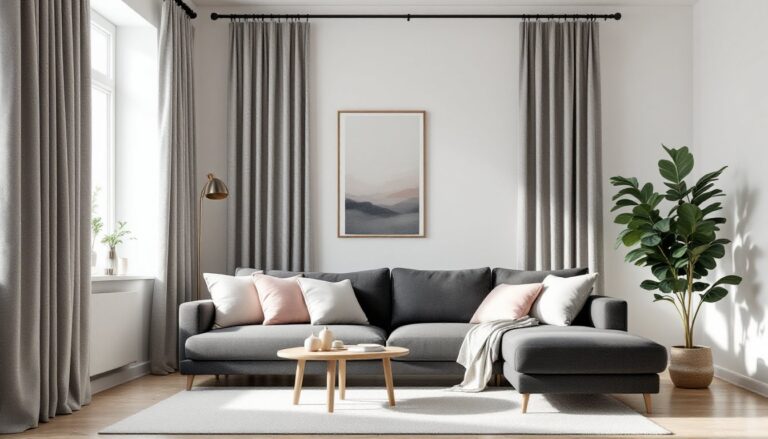
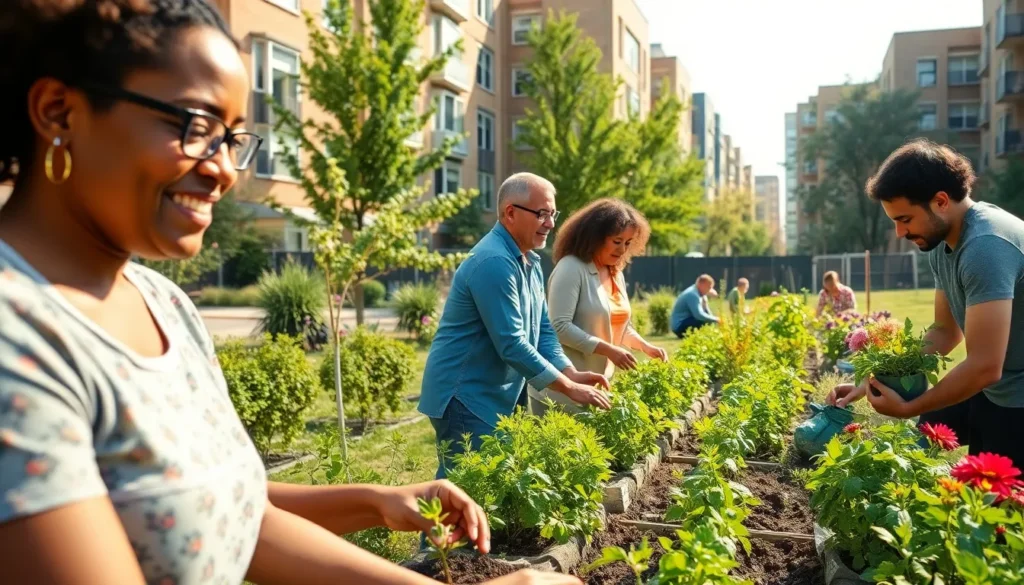
In a world where the planet’s health is hanging by a thread, sustainable apartment living is like the superhero we didn’t know we needed. Imagine living in a space that not only feels like home but also gives Mother Earth a warm hug every time you turn on the lights. It’s not just a trend; it’s a lifestyle that combines eco-friendliness with modern convenience.
Gone are the days of sacrificing style for sustainability. Today’s apartments are designed to be energy-efficient, reducing both bills and carbon footprints. Whether it’s using energy-saving appliances or embracing a plant-filled balcony, sustainable living can be as chic as it is responsible. Join the movement that proves you can live well while loving the planet—because who says being green can’t be a little glamorous?
Understanding Sustainable Apartment Living
Sustainable apartment living incorporates eco-friendly practices into everyday life. This approach balances environmental impact with contemporary conveniences.
Definition of Sustainability
Sustainability refers to using resources in ways that do not deplete them for future generations. It emphasizes maintaining ecological balance while fulfilling current needs. Sustainable practices often include energy conservation, waste reduction, and utilizing renewable resources. Considerations like using recyclable materials and reducing carbon emissions play crucial roles in defining sustainability. This concept extends beyond individual choices, reflecting broader societal goals to protect the planet.
Importance of Sustainable Living
Sustainable living benefits the environment, society, and economy. Lowering energy consumption through efficient designs reduces utility costs for residents. A reduced carbon footprint helps combat climate change, fostering healthier ecosystems. Community engagement promotes social responsibility, enhancing local environments. With urban areas facing increasing population density, sustainable apartment living supports responsible land use. Adopting sustainable practices also strengthens overall resilience against environmental disruptions. Each individual’s commitment contributes to a significant collective impact, advancing a sustainable future for all.
Benefits of Sustainable Apartment Living
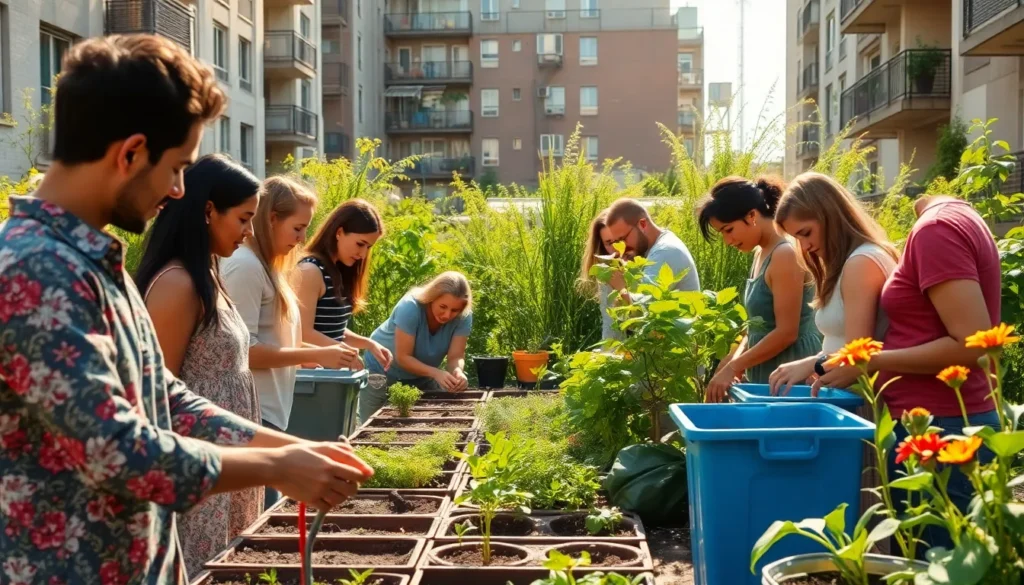
Sustainable apartment living offers numerous advantages, including positive environmental effects and significant economic savings.
Environmental Impact
Reduced energy consumption leads to lower carbon emissions, which mitigates climate change effects. Implementing eco-friendly materials also promotes resource preservation. Water conservation strategies, such as low-flow fixtures, assist in minimizing waste. Urban green spaces contribute to improved air quality and biodiversity. Many eco-conscious apartments incorporate renewable energy sources, enhancing sustainability, and resilience. With these efforts combined, residents actively participate in safeguarding the planet for future generations while enjoying a healthier living environment.
Economic Savings
Lower utility bills represent a major benefit of sustainable living. Energy-efficient appliances consume less electricity, translating into cost savings over time. Many landlords offer incentives for green practices, making it financially advantageous. Local governments often provide tax credits or rebates for sustainable upgrades, further reducing expenses. Shared resources, like community gardens or shared transportation options, foster accessibility while lowering individual costs. These financial incentives ultimately create a more affordable lifestyle while promoting a sustainable community.
Key Features of Sustainable Apartments
Sustainable apartments incorporate various essential features that contribute to eco-friendly living. Key elements focus on energy efficiency, water conservation, and the use of sustainable materials.
Energy Efficiency
Energy-efficient appliances play a significant role in reducing electricity consumption. Many sustainable apartments feature LED lighting and smart thermostats, which optimize energy use seamlessly. insulation improves temperature regulation, minimizing the need for excessive heating or cooling. Solar panels often provide additional renewable energy, contributing to lower utility bills. By using these technologies, residents help decrease their carbon footprints while enjoying modern comforts.
Water Conservation
Water-saving fixtures, such as low-flow faucets and dual-flush toilets, significantly reduce water wastage. Rainwater harvesting systems capture and reuse water for landscaping needs, promoting sustainable practices. Efficient irrigation systems maintain green spaces while minimizing water use. Greywater recycling also offers solutions for reusing water from sinks and showers. These strategies effectively conserve water, ensuring a sustainable living environment.
Sustainable Materials
Sustainable apartments often utilize eco-friendly materials during construction and renovation. Bamboo flooring and recycled steel enhance durability and minimize environmental impact. Low-VOC paints improve indoor air quality while reducing harmful emissions. Recycled materials in countertops and cabinetry offer stylish yet sustainable options. By prioritizing these materials, apartment developers contribute to a healthier planet and enhance the overall living experience.
Challenges in Sustainable Apartment Living
Sustainable apartment living faces several challenges that potential residents need to consider. Factors such as initial costs and limited availability often impact the ability to adopt eco-friendly practices.
Initial Costs
Initial costs can deter individuals from choosing sustainable apartments. Upfront investments in energy-efficient appliances, solar panels, and sustainable materials often exceed traditional alternatives. While long-term savings on utilities and maintenance costs eventually provide financial relief, the initial expense can be a barrier for many. Many renters or buyers overlook incentives available from local governments and landlords. Understanding these incentives can help individuals make informed financial decisions. Examining the total cost of ownership reveals that investing in sustainability can yield substantial returns.
Limited Availability
Limited availability of sustainable apartments presents another hurdle. Urban areas often feature a rise in eco-friendly developments, yet options remain sparse in certain regions. Developers may prioritize traditional building practices over sustainable design. Potential residents might find it challenging to locate apartments that meet their eco-friendly requirements. Additionally, existing buildings may lack sufficient retrofitting for energy efficiency. Networking with environmentally conscious real estate agents can help connect individuals with available sustainable living options. Seeking out community resources or sustainability-focused housing directories aids in finding suitable apartments.
Tips for Embracing Sustainable Apartment Living
Sustainable apartment living brings together eco-conscious choices and community initiatives. Implementing smart practices encourages a greener lifestyle.
Eco-Friendly Practices
Energy-efficient appliances offer numerous benefits. They reduce electricity consumption and lower utility bills, making living expenses more manageable. Utilizing LED lighting instead of traditional bulbs enhances energy savings too. Water-saving fixtures, such as low-flow faucets and dual-flush toilets, significantly cut water usage. Composting organic waste and using natural cleaning products promotes a healthier home environment. Planting indoor greenery improves air quality while creating a calming atmosphere. Residents can easily adopt these eco-friendly practices to make a tangible impact.
Community Involvement
Engaging in local sustainability initiatives fosters a strong community spirit. Joining or forming neighborhood groups focused on green projects can amplify efforts. Many communities organize events like clean-up drives or tree-planting days, providing residents with hands-on opportunities to contribute. Supporting local farmers’ markets not only encourages healthy eating but strengthens local economies. Collaborative efforts in sharing resources, such as tools or community gardens, reduce individual costs and environmental impact. Active participation in these activities cultivates a sense of belonging while promoting sustainable living.
Sustainable apartment living offers a promising path toward a healthier planet and a more connected community. By embracing eco-friendly practices and energy-efficient designs, residents can enjoy modern conveniences while significantly reducing their carbon footprints. The integration of sustainable materials and water conservation strategies not only promotes environmental stewardship but also leads to substantial economic savings.
While challenges exist, such as initial costs and limited availability, the long-term benefits far outweigh these obstacles. Through collective efforts and community engagement, individuals can foster a culture of sustainability that enhances their quality of life. Choosing sustainable living isn’t just a personal decision; it’s a commitment to a brighter future for everyone.