Table of Contents
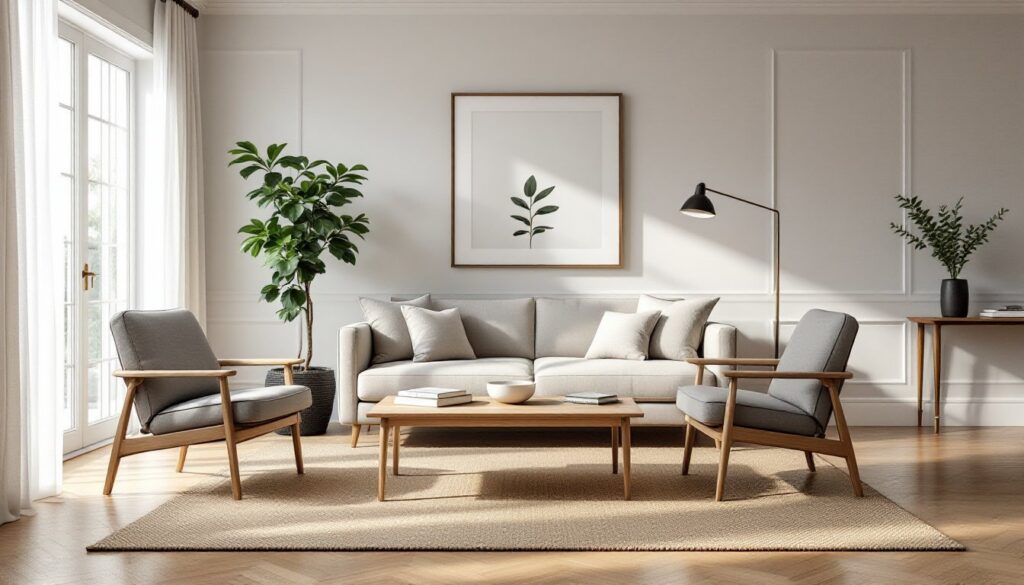
ToggleStaging a living room isn’t about making it look like a showroom, it’s about helping buyers see themselves living there. A well-staged space highlights functionality, makes rooms feel larger, and lets architectural details shine without distraction. Real estate data consistently shows that staged homes sell faster and often for higher prices than unstaged competitors. The goal is neutral, inviting, and intentional: remove the clutter, balance the furniture, and let light do the heavy lifting. Whether prepping for listing photos or an open house, these staging strategies focus on what actually moves buyers from browsing to bidding.
Key Takeaways
- Effective living room staging ideas focus on decluttering, neutral colors, and functional furniture arrangement to help buyers envision themselves in the space and sell homes faster at higher prices.
- Remove personal items and reduce surface clutter to 70–80% clear to minimize visual noise and make rooms feel larger and more inviting.
- Arrange furniture to define natural traffic flow with 30–36 inches of clearance between pieces and pull seating 12–18 inches from walls to create intentional, welcoming conversation areas.
- Paint walls in warm whites, soft grays, or greiges and keep larger furniture pieces neutral to give buyers a blank canvas without distracting personal style choices.
- Maximize natural light by cleaning windows thoroughly, replacing heavy drapes with sheer curtains, and layer artificial lighting with multiple fixture types set to 2700–3000K warm tones.
- Highlight architectural features like fireplaces and crown molding while using minimal accessories, strategic greenery, and large-scale artwork to create visual interest without overwhelming the staged space.
Declutter and Depersonalize Your Space
Start by removing everything that doesn’t serve the room’s function or visual balance. Family photos, personal collections, and refrigerator art all need to go into storage. Buyers need to imagine their own lives in the space, and that’s impossible when someone else’s vacation snapshots line the mantle.
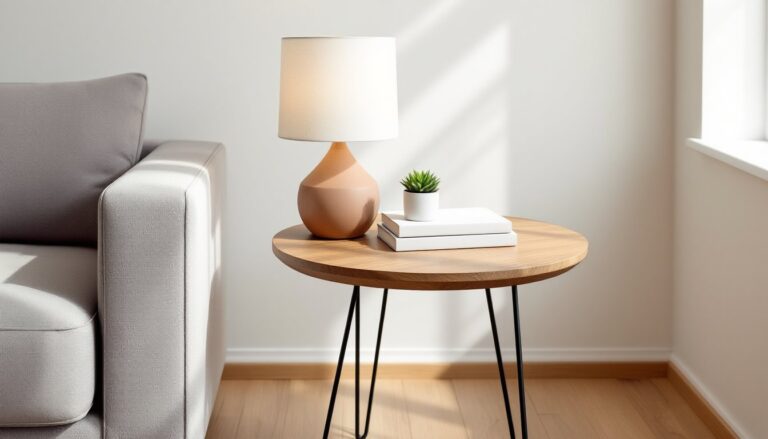
Tackle surfaces first: coffee tables, end tables, and shelving units should be 70–80% clear. Leave one or two carefully chosen items, a coffee table book, a simple bowl, but nothing more. Too many decorative objects create visual noise and make rooms feel smaller.
Address closets and storage areas if they’re visible from the living room. Overstuffed built-ins and open shelving crammed with media equipment signal a lack of storage, which is a red flag for buyers. Pare down to essentials, box up off-season items, and donate or discard anything that hasn’t been used in a year.
Remove oversized furniture pieces that crowd the room. A sectional that fits your family perfectly might dominate the space and block natural walking paths. If furniture forces people to turn sideways or step over ottoman legs, it’s working against the sale. Sometimes less is genuinely more, an empty corner reads better than a crammed one.
Arrange Furniture for Flow and Function
Furniture arrangement should define conversation areas and suggest how the room functions without blocking movement. Pull seating away from walls by 12–18 inches to create depth and make the space feel intentional rather than pushed to the perimeter.
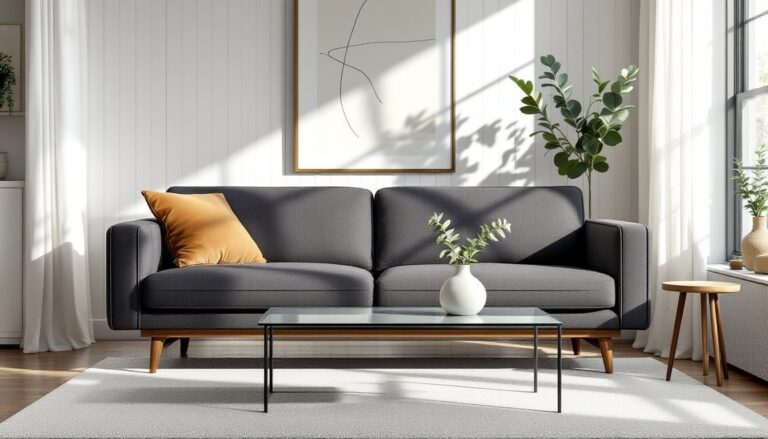
Create a primary seating group with a sofa and two chairs arranged around a coffee table. The coffee table should sit 16–18 inches from the sofa edge, close enough to set down a drink, far enough to allow legroom. Avoid placing furniture directly in front of windows or blocking access to architectural features like fireplaces.
Define traffic paths by leaving at least 30–36 inches of clearance between furniture pieces. Buyers should be able to walk through the room without weaving or sidestepping. If the layout forces awkward movement, rearrange or remove pieces until the flow feels natural.
Angle furniture slightly if the room allows it. A sofa set at a 15-degree angle off the wall adds visual interest and can help balance an awkward room shape. Just make sure angled pieces don’t intrude into walkways or create dead zones behind them.
Use area rugs to anchor seating groups. A rug should be large enough that at least the front legs of all seating pieces rest on it, ideally an 8×10 or 9×12 depending on room size. This visually ties the grouping together and helps define functional zones in open-concept layouts. According to experts who focus on small space furniture placement, anchoring pieces with area rugs prevents a room from feeling disconnected or chaotic.
Choose a Neutral Color Palette
Neutral doesn’t mean boring, it means giving buyers a blank canvas. Walls should be freshly painted in warm whites, soft grays, or greiges (gray-beige hybrids). Avoid stark white, which can feel sterile, and cool grays, which read blue or purple depending on light exposure.
If the living room walls are currently bold or saturated, repaint them. One gallon of quality paint covers approximately 350–400 square feet and costs $30–$60 depending on brand and finish. Use a satin or eggshell finish for walls, it’s durable, easy to clean, and hides minor imperfections better than flat paint.
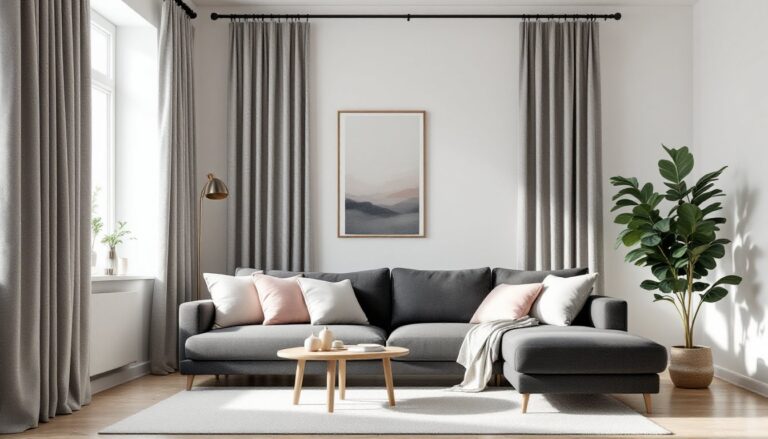
Extend the neutral palette to larger furniture pieces and window treatments. Sofas, chairs, and curtains in beige, taupe, gray, or soft ivory keep the focus on the room’s dimensions rather than the decor. If existing upholstery is too colorful, consider neutral slipcovers as a budget-friendly alternative to reupholstering.
Add subtle warmth with natural textures: a jute rug, linen curtains, or a chunky knit throw. These elements introduce depth without introducing color that might polarize buyers. Wood tones, whether in furniture legs, picture frames, or side tables, should be consistent. Mixing too many wood finishes (dark walnut, honey oak, whitewashed pine) creates visual chaos.
Limit accent colors to small, easily swapped items like pillows or a single piece of artwork. If you use color, stick to one or two muted tones, dusty blue, sage green, or warm terracotta, and keep quantities minimal. Design professionals often recommend strategies found in room color coordination guides to ensure palettes feel cohesive rather than scattered.
Maximize Natural Light and Layer Lighting
Natural light makes rooms feel larger, cleaner, and more valuable. Remove heavy drapes and replace them with sheer or light-filtering curtains that allow daylight in while maintaining privacy. If privacy isn’t a concern, leave windows completely bare during showings.
Clean windows inside and out before listing photos or open houses. Smudged glass cuts light transmission and looks sloppy in photos. Wipe down sills and frames while you’re at it, buyers notice dusty details.
Layer artificial lighting to eliminate dark corners and shadows. Every living room needs three types of lighting: ambient (overhead or recessed), task (reading lamps, directed light), and accent (table lamps, uplighting). Avoid relying solely on a single overhead fixture, which creates harsh shadows and an unwelcoming feel.
Replace outdated light fixtures if they’re visibly worn or stylistically dated. A modern flush-mount or semi-flush ceiling fixture in brushed nickel or matte black reads as updated without being trendy. Swap out lampshades that are yellowed, torn, or overly decorative, simple drum or empire shades in white or linen work best.
Use bulbs with a color temperature of 2700–3000K (warm white) throughout the living room. Cooler bulbs (4000K+) feel clinical and uninviting. Match bulb temperatures across all fixtures in the room to avoid a patchwork look. If recessed cans are present, make sure all bulbs are the same wattage and type (LED preferred for energy efficiency and longevity).
Turn on all lights during showings, even during the day. Staging isn’t about realism, it’s about impact. A fully lit room photographs better and feels more welcoming than one relying solely on natural light.
Add Strategic Accessories and Greenery
Accessories should suggest lifestyle without overwhelming the space. Stick to the rule of three: group items in odd numbers (three candles, a stack of books with a small object on top) for visual interest.
Choose accessories with clean lines and neutral tones. Ceramic vases, wood bowls, linen-bound books, and simple candle holders all work. Avoid anything overtly themed (nautical, farmhouse, rustic) or tied to specific holidays or hobbies.
Add greenery to bring life into the space without color commitment. Large potted plants like fiddle-leaf figs, snake plants, or rubber trees work well in corners or beside sofas. Use simple planters in white, black, or natural terracotta, nothing ornate or brightly patterned.
If live plants feel like too much maintenance during the selling process, high-quality faux plants are acceptable. Avoid cheap plastic versions that photograph poorly. Invest in realistic faux stems (eucalyptus, olive branches) for vases or planters.
Limit artwork to one or two large-scale pieces rather than a gallery wall. A single 24×36-inch or 30×40-inch framed print above the sofa creates a focal point without clutter. Choose abstract or neutral photography, landscapes, botanicals, or simple geometric prints. Avoid anything controversial, overtly religious, or intensely personal. Staging professionals who specialize in accessorizing neutral interiors emphasize restraint and intention over abundance.
Keep throw pillows to four or five per sofa, and choose covers in solid neutrals or subtle patterns (thin stripes, minimal geometric). Remove any pillows with text, loud prints, or visible wear.
Highlight Architectural Features and Focal Points
Identify the room’s strongest architectural feature, fireplace, built-ins, large windows, or crown molding, and orient furniture and decor to emphasize it. If there’s a fireplace, arrange seating to face it and clear the mantle of everything except one or two minimal objects.
Paint or refresh trim, baseboards, and molding if they’re scuffed or yellowed. Crisp white trim against neutral walls makes architectural details pop and signals that the home is well-maintained. Use a semi-gloss or satin finish on trim for durability and easy cleaning.
If built-in shelving exists, style it minimally. Remove 50% of what’s currently there. Alternate between stacked books (spines facing out), small plants, and decorative objects with plenty of empty space between groupings. Overstuffed built-ins look cluttered: sparse ones look curated.
Draw attention to ceiling height with vertical elements. A tall floor lamp, a large piece of vertical artwork, or floor-to-ceiling curtains all emphasize volume. Mount curtain rods at ceiling height rather than just above the window frame, this tricks the eye into seeing taller windows and higher ceilings.
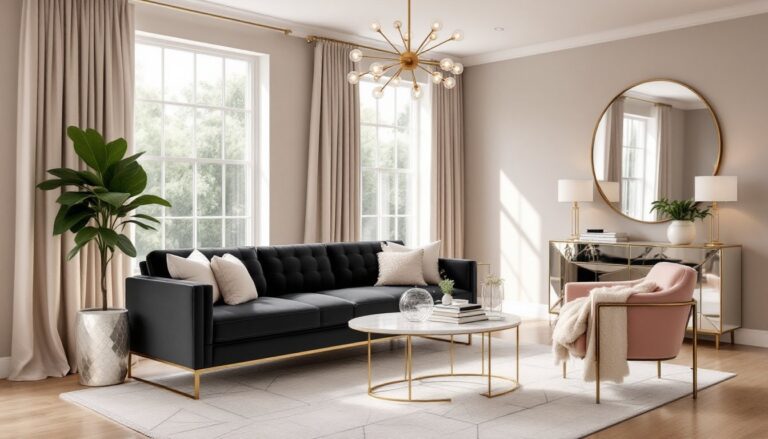
If the room lacks a natural focal point, create one. A large mirror above a console table, a statement light fixture, or a bold piece of art can anchor the space. Just don’t create multiple competing focal points, one strong element is enough.
Repair any visible damage to architectural features before listing. Cracked tiles on a fireplace surround, chipped paint on window trim, or sagging crown molding all undermine buyer confidence and suggest deferred maintenance.
Conclusion
Staging a living room comes down to subtraction, arrangement, and lighting. Remove the personal, arrange for flow, neutralize the palette, and make sure every corner is well-lit. Buyers need to see the room’s potential, not the current owner’s taste. These aren’t expensive fixes, most require time, a coat of paint, and a critical eye. Done right, staging turns a lived-in space into a marketable asset that photographs well and makes a strong first impression.