
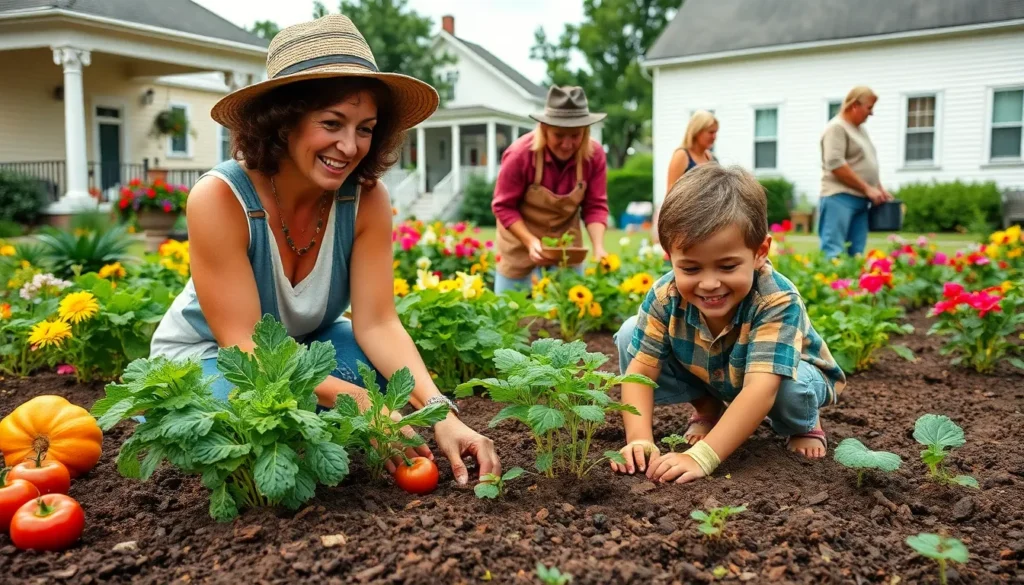
In the heart of the Bluegrass State, a green revolution is brewing, and it’s not just from the sweet tea. Kentucky sustainable living is more than a trend; it’s a lifestyle that’s as rich as the state’s famous bourbon. Imagine a life where your backyard garden flourishes alongside your sense of humor, and your compost pile becomes the envy of the neighborhood.
From eco-friendly farms to innovative energy solutions, Kentuckians are discovering that living sustainably can be both practical and downright fun. Whether it’s swapping out plastic for reusable mason jars or embracing the art of backyard chicken-keeping, this journey is all about making choices that benefit both the planet and the pocketbook. So grab your straw hat and join the movement—because who says saving the Earth can’t come with a side of Southern charm?
Overview of Kentucky Sustainable Living
Sustainable living in Kentucky reflects a growing consciousness among residents about the environment. Communities engage in practices that reduce ecological footprints. Gardening offers a practical way for families to enjoy fresh produce while minimizing environmental impact. Composting activities contribute to soil health, promoting local agriculture and reducing waste in landfills.
Reusable products become staples in many households, supporting waste reduction initiatives. This shift aligns with broader trends in eco-friendly consumer habits. Engaging in sustainable practices often leads to cost savings on utilities and groceries. Local farms and markets provide residents with the opportunity to support the community while accessing healthy options.
Education plays a crucial role in promoting sustainable living. Schools and organizations offer workshops on subjects such as renewable energy and environmental conservation. Knowledge sharing empowers individuals to adopt effective practices for sustainable lifestyles. Events like local sustainability fairs connect residents, fostering a sense of community and shared purpose.
Emerging technologies also support sustainable efforts, such as solar energy installations. Many homes and businesses now utilize renewable energy sources, reducing carbon emissions. Public transportation initiatives lead to declines in traffic congestion and improved air quality.
In Kentucky, cultural heritage intertwines with sustainable living. Traditions often emphasize resourcefulness and community collaboration, creating a vibrant atmosphere for eco-conscious practices. Residents partake in local artisanship and craft markets, which promotes environmental sustainability through handmade goods and local sourcing.
Benefits of Sustainable Living in Kentucky

Sustainable living in Kentucky offers numerous advantages for individuals and communities. These benefits extend across environmental and economic aspects.
Environmental Impact
Sustainable practices contribute significantly to environmental health. Gardens reduce reliance on transportation, lowering carbon emissions from food transport. Composting enriches soil, improving nutrient cycles and promoting biodiversity. Using reusable products decreases waste accumulation in landfills, protecting local ecosystems. Engaging in renewable energy initiatives, such as solar installations, lessens dependency on fossil fuels. Urban public transportation options improve air quality by reducing individual vehicle usage. Overall, these actions foster a greener environment for future generations.
Economic Advantages
Adopting sustainable practices yields notable economic benefits. Gardening leads to reduced grocery bills, providing families with fresh produce at lower costs. Supporting local farms stimulates the economy, keeping money within the community. Implementing energy-efficient technologies lowers utility expenses, enhancing household budgets. Attending local markets often results in better prices on goods compared to larger retail chains. Educational workshops, focused on sustainability, can enhance skills and increase employment opportunities. Each of these factors contributes to a thriving, economically resilient community.
Sustainable Practices in Kentucky
Sustainable practices thrive in Kentucky, showcasing a diverse array of eco-friendly initiatives among residents.
Agriculture and Local Food Systems
Local farmers markets feature fresh produce, enabling families to access healthy food while supporting community agriculture. Organic farming methods reduce chemical usage, promoting soil health and biodiversity. Community-supported agriculture programs allow residents to invest directly in farms, receiving seasonal produce in return. Additionally, backyard gardening provides an opportunity for families to grow their own vegetables and herbs, further decreasing carbon footprints. Restaurants in the region, committed to farm-to-table principles, prioritize sourcing ingredients locally. These partnerships strengthen local economies while minimizing transportation-related emissions.
Renewable Energy Initiatives
Renewable energy projects gain momentum across the state, with solar energy becoming increasingly popular among homeowners. Local governments encourage installations through incentives, making the transition more affordable. Wind energy farms contribute significantly to Kentucky’s energy mix, harnessing natural resources effectively. Educational institutions integrate renewable energy topics into their curriculums, ensuring future generations understand its importance. Community outreach programs promote energy efficiency, helping residents reduce their utility bills while conserving resources. In turn, these initiatives foster a culture of environmental responsibility, aligning energy production with sustainable living goals.
Community Involvement and Education
Community engagement is essential for advancing sustainable living in Kentucky. Residents actively participate in various educational initiatives and events that promote eco-conscious behaviors.
Workshops and Events
Kentucky hosts numerous workshops and events that focus on sustainability. Locals can attend gardening classes that teach organic practices and soil health. Sustainability fairs display innovations in renewable energy and showcase exhibits promoting responsible consumption. Participants benefit from networking opportunities that connect them with like-minded individuals. Hands-on experiences, such as composting demonstrations, encourage practical learning and skill building.
Local Organizations and Resources
Several local organizations provide resources for those interested in sustainable living in Kentucky. Nonprofits often offer educational programs that cover topics like recycling and energy efficiency. Community gardens supply fresh produce while fostering environmental awareness among participants. Additionally, various cooperatives promote local artisan goods, emphasizing sustainable methods. Several community resource centers also serve as hubs for sustainability initiatives, making valuable information accessible to residents. These organizations collectively enhance community knowledge and participation in eco-friendly practices.
Challenges and Opportunities
Sustainable living in Kentucky faces challenges but also presents various opportunities. Understanding these dynamics can help communities advance their eco-friendly initiatives effectively.
Common Barriers to Sustainability
High initial costs pose a significant barrier for many residents looking to adopt sustainable practices. Many individuals hesitate to invest in renewable energy solutions due to perceived financial constraints. Access to education about sustainable methods remains limited, especially for rural communities. Residents may lack knowledge about effective practices such as composting or organic gardening. Additionally, social norms and habits can slow the transition towards sustainability, making it harder for individuals to change established behaviors. Without a strong community network, efforts to promote sustainability might struggle to gain traction.
Future Trends in Kentucky Sustainable Living
Emerging technologies are set to shape the future of sustainable living in Kentucky. Solar energy adoption is expected to increase due to government support and community awareness programs. Innovative farming methods focused on regenerative practices will likely enhance soil health and biodiversity. A greater focus on local food systems is anticipated, with increased participation in community-supported agriculture. Urban gardening initiatives could expand, helping more residents grow their own food while engaging with nature. Awareness of climate change is driving changes in transportation habits, suggesting a shift towards public transport and bike-friendly infrastructure. As these trends develop, Kentucky may see a more resilient and eco-conscious population.
Sustainable living in Kentucky is more than just a trend; it’s a way of life that resonates with the values of its residents. By embracing eco-friendly practices, communities are not only enhancing their environment but also enriching their local economies. The commitment to sustainability fosters a sense of connection among residents while promoting resourcefulness and collaboration.
As Kentucky continues to evolve towards greener practices, the potential for innovation and community engagement remains strong. With ongoing education and support for local initiatives, the path to a more sustainable future looks promising. The collective efforts of individuals and communities will undoubtedly lead to a healthier, more vibrant Kentucky for generations to come.