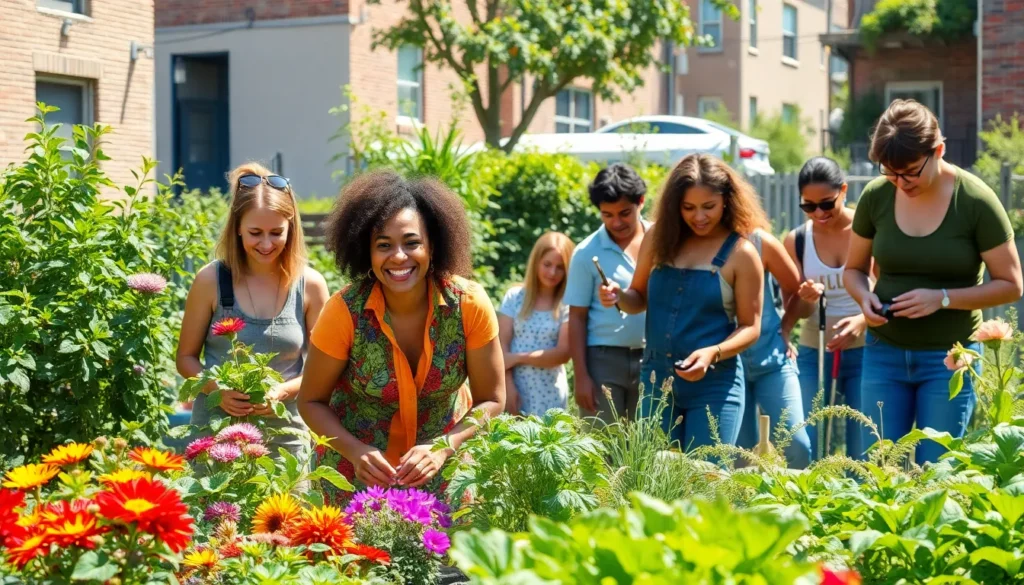
Imagine a world where neighbors swap zucchini instead of gossip and compost bins are the hottest trend on the block. Sustainable community living isn’t just a quirky idea; it’s a lifestyle that’s gaining momentum faster than a kid on a sugar rush. By embracing eco-friendly practices, communities can thrive while reducing their carbon footprint—without sacrificing comfort or style.
In this brave new world, it’s all about connection, cooperation, and a dash of creativity. From community gardens to shared resources, sustainable living fosters a sense of belonging that’s as refreshing as a cool breeze on a summer day. So, why not join the movement? After all, who wouldn’t want to be part of a community that’s not only saving the planet but also having a blast while doing it? Let’s dive into the vibrant world of sustainable community living and discover how to make a difference, one friendly neighbor at a time.
Overview of Sustainable Community Living
Sustainable community living focuses on creating environments that promote eco-friendly practices while fostering social bonds. Principles include resource sharing, cooperative decision-making, and enhancing the local ecosystem. Community gardens serve as a prime example, providing fresh produce and bringing residents together to share knowledge and labor.
Social connections form a crucial element in these communities. Engaging neighbors fosters trust and cooperation. Such relationships enable groups to undertake collective initiatives like organizing clean-up drives or renewable energy projects.
Innovative practices often emerge from sustainable communities. They may feature car-sharing programs, which minimize transportation emissions and reduce costs for individuals. Rainwater harvesting systems can also appear, which contribute to water conservation and lower utility bills.
These living arrangements lead to health benefits as well. Access to green spaces promotes physical activity, while communal gatherings can improve mental well-being. Additionally, local workshops may be offered, covering topics like gardening skills, sustainable cooking, or energy efficiency, enhancing community knowledge.
In embracing sustainability, neighborhoods often witness economic advantages. Local businesses thrive when residents prioritize purchasing from them. By focusing on local resources, communities strengthen their economies and create job opportunities.
Considering all these factors, sustainable community living embodies a holistic approach. Sustainable practices create a resilient support network, which ultimately enriches the lives of residents while caring for the planet.
Benefits of Sustainable Community Living
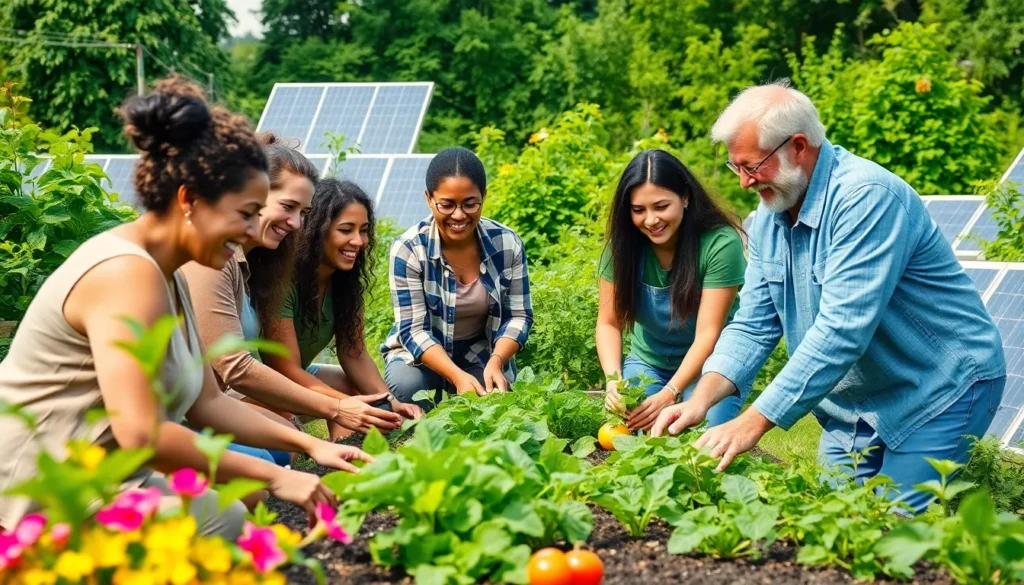
Sustainable community living offers numerous advantages that enhance both environmental health and social well-being.
Environmental Impact
Participation in sustainable community practices significantly reduces carbon footprints. Eco-friendly initiatives like community gardens produce local food, minimizing transportation emissions. Recycling programs further decrease waste sent to landfills. Energy-efficient practices, such as solar panel installations, contribute to lower energy consumption. Maintaining green spaces aids in preserving biodiversity and improving air quality. Residents can also engage in collective efforts for water conservation, ensuring resources remain plentiful for future generations. Collectively, these actions create a more resilient environment that supports local ecosystems.
Social Connections
Building strong social ties becomes easier in sustainable communities. Engaging in cooperative activities fosters trust and collaboration among residents. Shared experiences, such as communal gardens or workshops, promote inclusivity and encourage involvement. Regular social gatherings enhance a sense of belonging and strengthen relationships. As connections deepen, coordinated efforts for local initiatives, like clean-up days, become more effective. Networking among members often leads to skill sharing and resource pooling, benefiting everyone involved. Emphasizing social bonds aids in cultivating a supportive environment, enriching communal life.
Key Principles of Sustainable Community Living
Sustainable community living incorporates practices designed to enhance both environmental health and social connections. Central to this are principles that guide residents in cultivating vibrant, eco-friendly neighborhoods.
Resource Efficiency
Resource efficiency prioritizes minimizing waste while maximizing utility. Using shared resources reduces the overall demand for materials, fostering a culture of sustainability. Implementing initiatives like community tool libraries allows access to equipment without the need for ownership. Encouraging local food production through community gardens enhances food sovereignty. Utilizing native plants and rainwater harvesting systems optimizes water usage and mitigates stormwater runoff. Overall, these practices contribute positively to the environment while ensuring that material resources remain accessible and abundant.
Community Engagement
Community engagement plays a vital role in strengthening social ties. Frequent organized events provide platforms for interaction and collaboration among residents. Hosting workshops on sustainability topics raises awareness and builds skills collectively. Clean-up drives enhance neighborhood aesthetics while fostering teamwork. Involvement in local decision-making processes ensures that everyone’s voice is heard and valued. Participating in group activities cultivates a sense of belonging and motivates collective responsibility. Ultimately, engaged communities thrive through shared efforts and mutual support, leading to enhanced quality of life for all.
Examples of Successful Sustainable Communities
Several successful sustainable communities illustrate the principles of eco-friendly living and social collaboration.
EcoVillage, Ithaca, New York features innovative designs with energy-efficient homes, community gardens, and shared resources. Residents prioritize sustainable practices, including composting and renewable energy sources.
Davis, California emphasizes biking and pedestrian pathways, reducing reliance on cars while fostering a vibrant local economy. Its emphasis on local food production promotes healthy eating habits and strengthens community ties.
Arcosanti, Arizona showcases a vision for urban living that blends architecture and ecology. The community focuses on compact design and agroecological practices, demonstrating how urban environments can coexist with nature.
Freiburg, Germany invests heavily in solar energy and public transportation, boasting high recycling rates and green spaces. Its commitment to sustainability reflects in the community’s active involvement in local environmental initiatives.
Bhuj, India highlights the significance of traditional methods like rainwater harvesting and sustainable architecture. Through collective efforts, this community has successfully reclaimed local resources while preserving cultural heritage.
The Farm, Tennessee is an iconic intentional community known for its emphasis on organic farming and cooperative living. Residents engage in educational programs that promote sustainability both locally and globally.
These communities exemplify how integrating sustainability and community well-being can lead to vibrant, resilient neighborhoods. Through shared resources, eco-friendly practices, and cooperative decision-making, they set valuable examples for others to follow.
Challenges in Sustainable Community Living
Implementing sustainable community living faces several challenges that can hinder progress. Limited financial resources often restrict initiatives, making it tough for some communities to invest in necessary projects.
Resistance to change poses another significant barrier. Many individuals remain attached to traditional practices and may not readily adopt new, eco-friendly methods. This hesitation can slow down the implementation of sustainable solutions.
Access to education about sustainability represents a critical challenge. Without adequate information, residents may struggle to understand the benefits of sustainable practices, affecting participation rates in community initiatives.
Infrastructure also plays a role. Many existing systems, such as transportation and waste management, require upgrades to align with sustainable living principles. A lack of investment in these areas can impede progress.
Communication and collaboration issues also arise among community members. When residents fail to communicate effectively, it can lead to misunderstandings and reduced participation in joint efforts. Encouraging open dialogue fosters better engagement and cooperation.
Balancing diverse interests adds complexity to sustainable initiatives. Different stakeholders often have varying priorities and perspectives. Finding common ground is essential for successful implementation.
Moreover, climate change effects can challenge sustainability efforts directly. Extreme weather events and rising costs of resources may strain community budgets and adaptability. Addressing these external pressures is vital for long-term sustainability.
Creating a cohesive vision for sustainability requires ongoing commitment from all community members. Sustained engagement ensures that initiatives remain relevant and effective in adapting to changing circumstances. Investing effort in overcoming these challenges can lead to thriving, eco-friendly neighborhoods.
Sustainable community living offers a path toward a healthier planet and stronger neighborhoods. By embracing eco-friendly practices and fostering social connections, communities can thrive while reducing their environmental impact. Engaging in cooperative initiatives not only enhances local ecosystems but also builds trust and camaraderie among residents.
As more individuals recognize the value of sustainable living, the movement continues to grow. Each small effort contributes to a larger goal of creating vibrant, resilient communities. By participating in this journey, individuals can enjoy the benefits of a connected lifestyle while making a positive difference for future generations. The potential for innovation and collaboration within sustainable communities is limitless, paving the way for a brighter, more sustainable future.