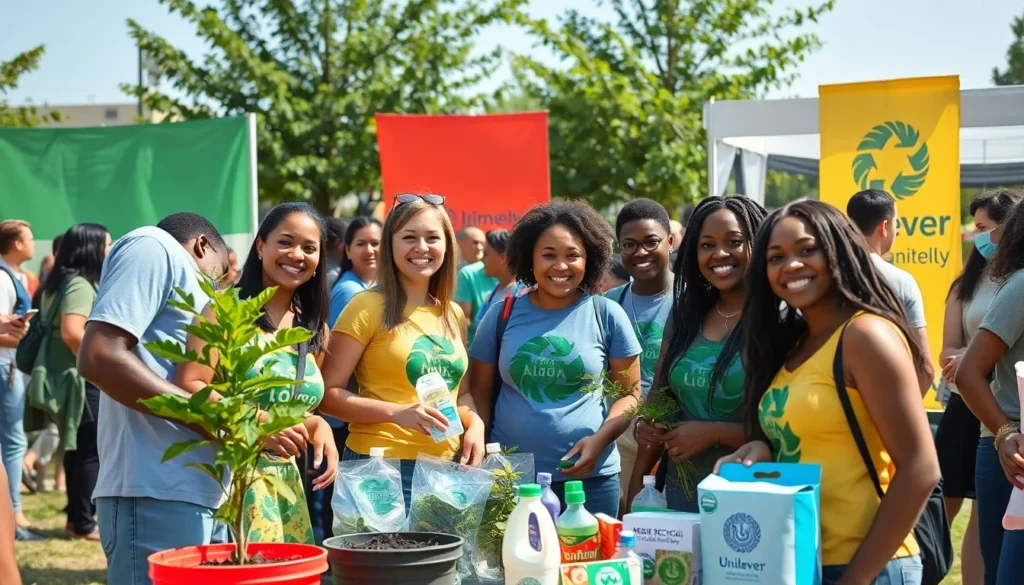
Unilever’s Sustainable Living Plan isn’t just a corporate buzzword; it’s a bold promise to make the world a better place—one soap bar at a time. Imagine a world where your favorite products not only clean your dishes but also contribute to a cleaner planet. With its ambitious goals, Unilever aims to reduce its environmental footprint while enhancing the well-being of millions.
Overview of Unilever Sustainable Living Plan
Unilever’s Sustainable Living Plan aims to embed sustainability within its core operations. This initiative encompasses three primary goals. First, it focuses on improving health and well-being for over a billion individuals. Second, the plan targets minimizing environmental impact by halving greenhouse gas emissions, water usage, and waste across its value chain. Lastly, it strives to enhance the livelihoods of millions of people while promoting inclusivity and equality.
Sustainability remains at the heart of Unilever’s product development. The company encourages the use of sustainable ingredients in its formulations. For instance, by sourcing palm oil responsibly, Unilever aims to combat deforestation. Additionally, commitments to reducing plastic waste are evident through initiatives like designing recyclable packaging.
Consumers play a vital role in Unilever’s strategy. Engaging with them allows for valuable insights into preferences for sustainable options. Programs that promote recycling and sustainable consumption increase awareness and drive action toward environmental stewardship.
Collaboration with partners bolsters Unilever’s efforts. By working alongside suppliers, NGOs, and governments, the company creates a more significant impact. Collective action leads to advancements in areas like water conservation and biodiversity protection.
Reporting on progress is crucial in maintaining transparency. Unilever shares detailed updates on achievements and challenges through sustainability reports. These reports highlight successes and areas in need of improvement, promoting accountability.
Overall, Unilever’s Sustainable Living Plan positions the company as a leader in sustainability. By integrating social and environmental considerations into business practices, Unilever paves the way for a better future.
Key Objectives
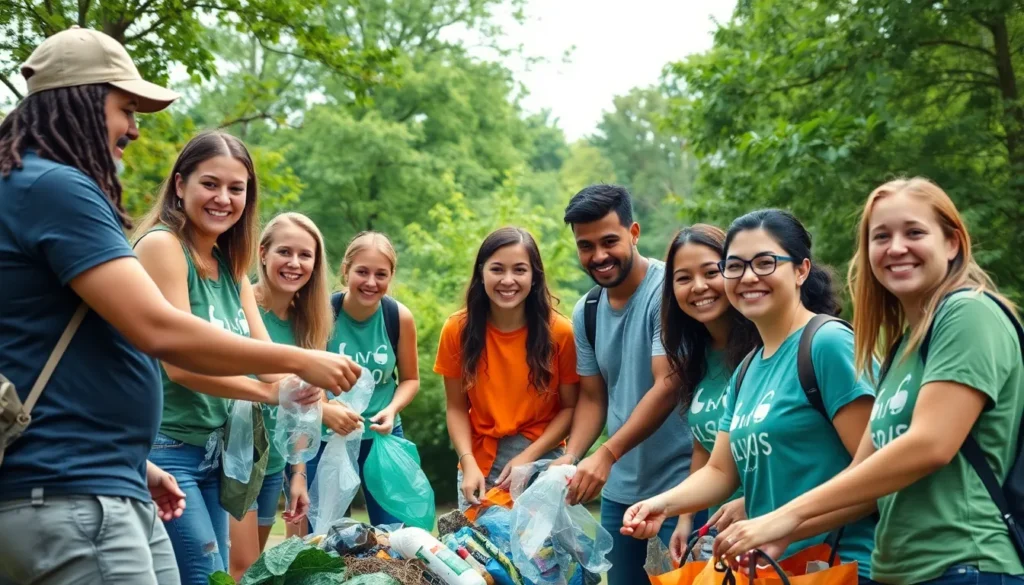
Unilever’s Sustainable Living Plan strives to make a meaningful difference through its core initiatives. The objectives underscore a commitment to environmental stewardship and social responsibility.
Reducing Environmental Impact
Reducing greenhouse gas emissions by 50% is a primary target for Unilever. Water use reduction is also a key focus, aiming for a significant decrease across manufacturing processes. Waste management initiatives include a commitment to halving plastic waste through innovative packaging solutions. Sourcing sustainable palm oil combats deforestation while protecting biodiversity. Engaging with communities and suppliers enhances the effectiveness of these environmental strategies. Ultimately, these efforts collectively contribute to a healthier planet.
Enhancing Social Impact
Enhancing health and well-being for over a billion people stands as a core ambition. Programs promoting hygiene and nutrition directly impact consumer lives positively. Livelihood improvement initiatives empower millions by fostering economic opportunities and promoting inclusivity. Collaboration with local organizations accelerates social progress across diverse communities. Transparency in reporting allows for accountability and helps stakeholders track success. These objectives link directly to Unilever’s vision of creating a more equitable society.
Achievements and Milestones
Unilever’s Sustainable Living Plan showcases significant progress in various sustainability initiatives. The company has achieved notable milestones while fostering positive change globally.
Progress in Sustainability Goals
Unilever reported a 50% reduction in greenhouse gas emissions from its manufacturing processes since the plan’s inception. Sustainability efforts also focus on reducing water consumption by 43% in production facilities. Packaging innovations resulted in 100% of plastic packaging being recyclable, reusable, or compostable by 2025. The commitment to responsible palm oil sourcing has led to 100% traceability for its palm oil supply chains, combating deforestation effectively. Continuous improvement in product formulation emphasizes the company’s pledge to enhance sustainability across operations.
Impact on Communities
Unilever’s outreach programs enhance health and well-being for more than a billion individuals. Hygiene initiatives in schools promote better sanitation and nutrition education, significantly impacting children’s lives. Employment opportunities have increased for millions through fair wage practices and community engagement. Collaborations with local organizations accelerate economic growth while fostering inclusivity. Transparency in progress reporting allows stakeholders to track changes effectively, ensuring accountability and trust in Unilever’s commitment to social responsibility.
Challenges and Criticisms
Unilever’s Sustainable Living Plan faces several challenges and criticisms despite its ambitious goals.
Industry Comparisons
Other industry leaders have implemented their sustainability initiatives. Procter & Gamble, for instance, has committed to achieving net-zero greenhouse gas emissions by 2030. Nestlé has focused on sourcing 100% of its packaging from recyclable or reusable sources by 2025. Unilever’s targets, while significant, may seem less aggressive in some regards. Critics often argue that the company’s emphasis on marketing sustainability can overshadow the actual impacts of such initiatives. Comparing environmental footprints among competitors indicates room for improvement in transparency and measurement practices.
Addressing Stakeholder Concerns
Stakeholders frequently voice concerns regarding the efficacy of Unilever’s commitments. Environmental groups emphasize the need for concrete results instead of promises. Communities affected by production practices seek actionable changes that improve local conditions. Transparency remains vital in reporting progress on sustainability goals. Many stakeholders urge clearer timelines and more consistent data to evaluate achievements. Unilever’s efforts, while commendable, might encounter skepticism if they don’t address accountability comprehensively.
Future Directions
Unilever’s commitment to sustainability continues to evolve as the company focuses on innovative solutions and a long-term perspective.
Innovations and Initiatives
Unilever prioritizes advancements in product development. The company invests in sustainable sourcing methods, particularly for palm oil, ensuring minimal deforestation. Innovations in packaging are also key, aiming for all plastic materials to be recyclable, reusable, or compostable by 2025. Collaborations with technology partners enhance efficiency throughout the supply chain. Recent projects showcase eco-friendly formulas that reduce water consumption during use, contributing to overall resource conservation. Engaging consumers through awareness campaigns boosts participation in sustainability efforts. These initiatives result in substantial progress toward environmental targets.
Long-Term Vision
Unilever envisions a future where sustainability is seamlessly integrated into its business. The company sets ambitious targets to further reduce greenhouse gas emissions and enhance water management practices. Aiming for continuous improvement, Unilever focuses on increasing the impact of its social programs. By strengthening partnerships with local organizations, the company fosters economic opportunities and promotes inclusivity. Long-term goals include achieving full transparency in sustainability reporting, empowering stakeholders with accessible data. Such strategies help establish credibility and accountability in their initiatives. Unilever’s comprehensive approach aims to create lasting, positive change for both people and the planet.
Unilever’s Sustainable Living Plan represents a bold step toward integrating sustainability into everyday life. By focusing on health and well-being environmental impact and social equity the company aims to create a positive ripple effect across communities worldwide.
While challenges remain and criticisms persist Unilever’s commitment to transparency and accountability will be crucial in maintaining stakeholder trust. As they strive for ambitious targets like reducing plastic waste and enhancing livelihoods the potential for meaningful change is significant.
Unilever’s journey underscores the importance of corporate responsibility in addressing global challenges and sets a benchmark for others in the industry. Through innovation and collaboration Unilever is paving the way for a sustainable future that benefits both people and the planet.