Table of Contents
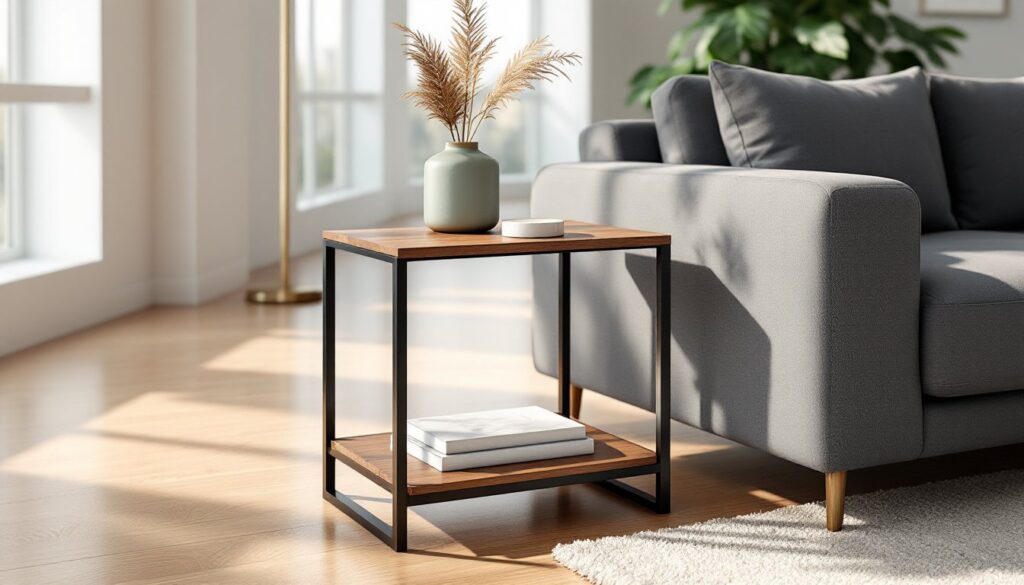
ToggleShopping for a modern end table isn’t just about finding something to hold your coffee mug. It’s about balancing form, function, and floor space, all while complementing the rest of your living room. A well-chosen end table anchors a seating area, provides storage, and keeps essentials within arm’s reach. Whether you’re eyeing a sleek metal frame with a glass top or a minimalist wood cube, understanding what makes a design “modern” and how to match it to your space will save you from buyer’s remorse and wasted square footage.
Key Takeaways
- A modern end table for your living room should sit within 2 inches of your sofa arm height (24–26 inches) and feature clean lines, geometric shapes, and minimal ornamentation that emphasize form and function.
- Choose materials wisely: metal frames with tempered glass or natural wood finishes deliver an authentic modern look, while avoiding glossy stains and heavy ornamentation keeps the design current.
- Mixed-material designs combining metal, wood, and stone are dominating 2026 sales, offering textural contrast that prevents your modern end table from looking flat or monotonous.
- Style your modern end table with intentional restraint—limit surface items to three pieces arranged asymmetrically to maintain the clean aesthetic modern design demands.
- DIY projects using hairpin legs, concrete slabs, or plywood boxes offer budget-friendly ways to create a modern end table, with finished pieces costing $20–50 and completed in just a few hours.
- Pedestal tables, nesting designs, and C-shaped styles save floor space while delivering the functional efficiency that defines modern living room furniture.
What Makes an End Table ‘Modern’? Key Design Elements
Modern design emphasizes clean lines, geometric shapes, and minimal ornamentation. Unlike traditional or rustic styles that lean on carved details or distressed finishes, modern end tables strip away excess. Think sharp angles, cylindrical legs, or asymmetric silhouettes.
Materials matter. Metal frames, usually powder-coated steel or brushed aluminum, are hallmarks of modern furniture. Glass, tempered for safety, shows up in tops and shelves. Solid wood still plays a role, but it’s typically left natural or finished with low-sheen lacquer rather than glossy stains.
Functionality is built-in, not bolted on. Modern tables often double as storage with hidden compartments, open shelving, or integrated charging stations. The design philosophy is efficiency: every element should serve a purpose or get out of the way.
Color palettes skew neutral, black, white, gray, walnut, and matte metallics dominate. But 2026 has seen a push toward warmer tones like terracotta, sage, and muted navy, especially in powder-coated metal accents. The goal is still restraint: even bold colors appear in flat, matte finishes rather than high-gloss showpieces.
Choosing the Perfect Modern End Table for Your Living Room
Size and Proportion Considerations
Height is non-negotiable. Your end table should sit within 2 inches of your sofa or chair arm height, typically 24 to 26 inches for standard seating. Go shorter and you’re bending down constantly: go taller and it looks awkward and functions poorly.
Top surface area depends on use. A 12×12-inch square works for a lamp and coaster: 16×18 inches handles a lamp, book stack, and small plant. Measure your space before shopping. In tight quarters, nesting tables or C-shaped designs that slide under the sofa arm save floor space without sacrificing surface area.
Depth matters if your sofa sits away from the wall. A table that’s too deep creates a trip hazard. Stick to 12 to 18 inches deep unless you’re working with a sectional or open floor plan that allows for a larger footprint.
Material and Finish Options
Metal and glass combos deliver that industrial-modern vibe. Powder-coated steel resists fingerprints better than chrome, and tempered glass tops are surprisingly durable, though you’ll want to wipe them down weekly to avoid smudges.
Solid wood in walnut, oak, or ash brings warmth without veering into farmhouse territory. Look for satin or matte finishes rather than polyurethane gloss, which reads more traditional. Live-edge slabs can work if the rest of the piece stays minimal, think hairpin legs or a simple box frame.
Engineered wood with laminate or veneer keeps costs down and works fine for lower-traffic areas. Just avoid particleboard with paper veneer: it chips and swells if you spill anything. Mid-grade MDF with melamine or real wood veneer holds up better and can mimic pricier materials convincingly.
Concrete, marble, and resin show up in higher-end modern tables. Concrete is heavy, expect 40+ pounds for a small table, and requires sealing to prevent staining. Marble scratches and etches from acidic drinks, so use coasters religiously. Resin can mimic stone or wood and weighs less, but quality varies wildly: cheap resin yellows or cracks within a year.
Top Modern End Table Styles for 2026
Pedestal tables with a single central column are having a moment. They offer legroom on all sides and work well in small spaces. Look for weighted bases, at least 15 pounds, to prevent tipping if you lean on them.
Nesting tables remain practical. Two or three tables of graduated sizes stack when not in use, then pull apart for entertaining. The contemporary furniture market has leaned into mixed materials here, one table in wood, one in metal, one in acrylic.
C-shaped or L-shaped tables slide under a sofa or chair, bringing the surface right over your lap. They’re ideal for eating in front of the TV or working with a laptop. The cantilever design requires a sturdy base: avoid wobbly models with thin metal tubes.
Drum tables feature a cylindrical body, often with hidden storage inside. They’re softer visually than square tables, which helps in rooms with lots of hard edges. Upholstered versions in leather or velvet add texture, though they’re harder to clean.
Live-edge wood slabs on metal hairpin legs bridge modern and organic. The contrast between raw wood and geometric metal keeps the look current. Seal the wood properly, two coats of matte polyurethane minimum, to protect against water rings.
According to design trend forecasts, mixed-material tables combining metal, wood, and stone are leading 2026 sales. Monochrome all-wood or all-metal pieces still sell, but buyers increasingly want textural contrast.
Styling Tips: How to Make Your Modern End Table Shine
Start with scale and negative space. A crowded end table kills the modern aesthetic. Limit yourself to three items: typically a lamp, a functional piece (coaster, small tray), and one decorative element (plant, sculpture, book stack).
Lighting is functional first. Choose a lamp that provides task lighting, at least 400 lumens for reading. Modern lamps often feature exposed bulbs, metal shades, or sculptural bases in matte black or brass. The lampshade bottom should sit at eye level when you’re seated, roughly 40 to 42 inches from the floor.
Layering heights creates visual interest. A tall lamp (20-24 inches), mid-height object (6-8 inches, like a small vase or book stack), and low object (2-4 inches, like a dish or coaster set) form a balanced triangle. Avoid lining items up in a row: cluster them asymmetrically.
Texture over color. Modern palettes stay neutral, so vary materials instead. Pair a matte ceramic vase with a glossy metal tray and a linen coaster. The textural contrast keeps things from looking flat.
When it comes to curated modern pieces, resources like modern side table roundups showcase how designers mix finishes, matte white with punchy red, or walnut with brass, without cluttering the silhouette.
Don’t forget the floor beneath the table. A table with open legs looks lighter on a rug with a bold pattern. A solid-base table benefits from a plain rug to avoid visual competition.
DIY Modern End Table Projects for Budget-Conscious Homeowners
Building your own modern end table is straightforward if you keep the design simple. Here are three approachable projects.
Hairpin Leg Table
Purchase a 12×16-inch or 16×18-inch solid wood panel (¾-inch thick) from a home center. Pine, poplar, or birch all work. Buy a set of three-rod hairpin legs (16 to 18 inches tall) online or at a hardware store. They come pre-drilled.
- Sand the wood panel to 220-grit.
- Apply two coats of water-based polyurethane or tung oil. Let each coat dry 4-6 hours.
- Flip the panel. Mark leg positions 1 inch in from each corner.
- Attach legs with the included screws (usually #8 × ¾-inch). Pre-drill pilot holes to prevent splitting.
- Flip upright. Total time: about 3 hours including dry time.
Cost: $30-50 depending on wood species and leg finish.
Concrete and Wood Cube
This requires a concrete countertop mix (50-pound bag, about $15), a cardboard or melamine form, and four 2×2 lumber legs cut to 14 inches each.
- Build a form for a 12×12×2-inch slab using melamine or heavy cardboard lined with plastic.
- Mix concrete per bag instructions. Pour into form, vibrate to remove air bubbles (tap sides with a rubber mallet).
- Let cure 48 hours. Demold carefully.
- Sand edges with 80-grit, then 120-grit sandpaper. Wear a dust mask, concrete dust is hazardous.
- Seal with two coats of penetrating concrete sealer.
- Attach the 2×2 legs at each corner using construction adhesive and 2-inch screws driven up through pilot holes in the legs into the slab. Countersink screws ½ inch and plug with wood filler.
Cost: $25-40. Weight: roughly 30 pounds. Not recommended if you move frequently.
Plywood Box with Shelf
Use ¾-inch plywood (birch or maple veneer for a cleaner look). Cut four pieces: two at 18×18 inches (top and bottom), two at 18×16.5 inches (sides).
- Sand all edges and faces to 150-grit.
- Assemble into a box using wood glue and 1¼-inch brad nails or pocket screws. The sides fit between top and bottom.
- Add a mid-height shelf (cut to 16.5×16.5 inches) at 9 inches from the bottom, secured with glue and nails.
- Fill nail holes with wood filler. Sand smooth.
- Prime with bonding primer, then apply two coats of matte latex paint or stain and poly.
Cost: $20-35. A circular saw works for cuts, but a table saw or track saw delivers cleaner edges. If you don’t own a saw, most home centers cut plywood to size for free or a small fee.
Safety notes: Always wear safety glasses when cutting, sanding, or nailing. Use a dust mask for sanding and concrete work. Work in a ventilated area when applying finishes: many water-based polys and paints still off-gas VOCs.