Table of Contents
ToggleA light brown couch isn’t just furniture, it’s a blank canvas that can anchor dozens of design directions. Whether it’s a tan leather sectional, a camel-toned linen sofa, or a taupe microfiber loveseat, this neutral workhorse adapts to nearly any color scheme, texture mix, or style pivot without needing replacement. The challenge isn’t versatility: it’s deciding which direction to take. Too many beige-on-beige layers and the room feels flat. Go too bold without a plan and the couch disappears. This guide breaks down proven strategies for building a cohesive, intentional living room around that light brown foundation, from selecting accent colors and layering textures to choosing rugs and wall treatments that make the whole space click.
Key Takeaways
- A light brown couch is a versatile living room centerpiece that adapts to nearly any color scheme, style, and design direction without requiring replacement.
- Neutral and earthy tones create depth and calm, while bold accent colors like navy, emerald green, and mustard yellow add sophistication and visual interest against light brown upholstery.
- Throw pillows with mixed textures—combining smooth linen with velvet, chunky knits, or faux fur—transform your light brown couch’s appearance and should be strategically patterned and properly filled for a high-end look.
- An 8 x 10-foot or 9 x 12-foot rug with medium to dark tones anchors the seating area and prevents your light brown couch from blending into the space.
- Wall colors should either create contrast with darker shades like navy or charcoal, or complement the couch with warm whites, soft sage, or muted tones depending on room size and natural light.
Why a Light Brown Couch Is a Versatile Living Room Centerpiece
Light brown sits in the sweet spot between warm and neutral, making it one of the most adaptable upholstery choices for living rooms. Unlike darker browns that can read heavy or cooler grays that sometimes feel stark, shades like camel, tan, beige, and taupe provide warmth without overwhelming smaller spaces or clashing with existing finishes.
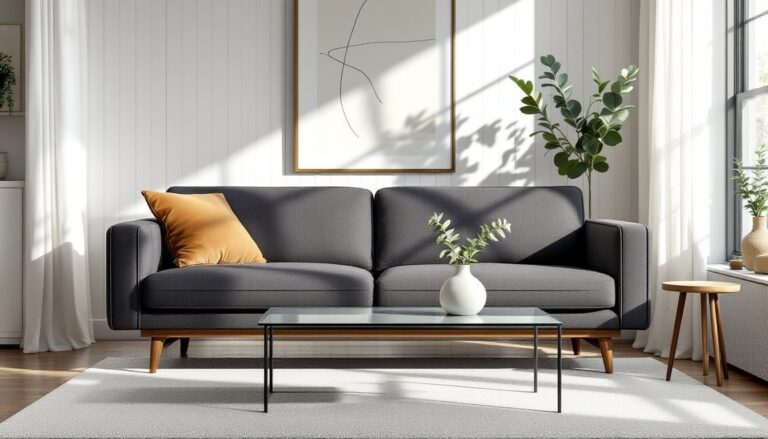
This flexibility extends across design styles. A cognac leather Chesterfield works in traditional or industrial settings. A linen slipcovered sofa in sandy beige fits coastal, farmhouse, or Scandinavian schemes. Even a budget microfiber couch in light taupe can anchor a transitional or modern space when styled thoughtfully.
From a practical standpoint, light brown hides moderate wear better than pure white or cream while showing less dust and pet hair than charcoal or black. It also pairs seamlessly with common wood tones, oak, walnut, pine, which means existing furniture, trim, and flooring won’t fight the palette. That adaptability makes it easier to refresh a room with new pillows, art, or rugs instead of replacing major pieces.
Best Color Palettes to Complement Your Light Brown Sofa
Neutral and Earthy Tones for a Calming Atmosphere
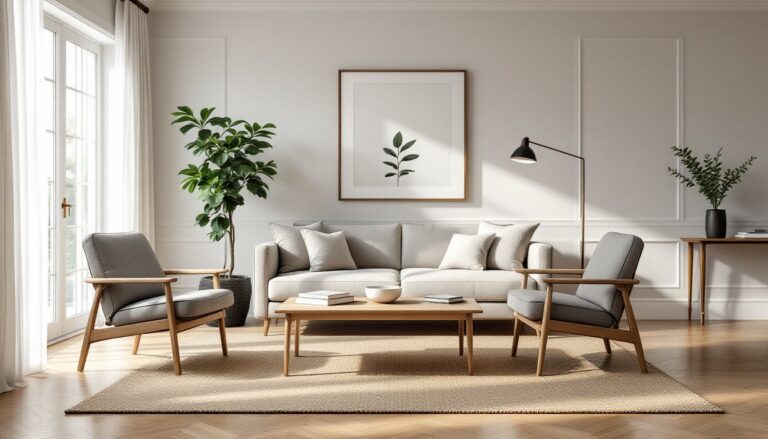
Layering neutrals creates depth without visual noise. Start with warm whites (ivory, eggshell, or cream) on walls to reflect light and keep the room open. Add texture through natural materials: a jute or sisal rug, linen curtains, and wood coffee tables in honey oak or weathered pine. Accent pillows in oatmeal, charcoal, or soft gray introduce tonal variation without breaking the palette.
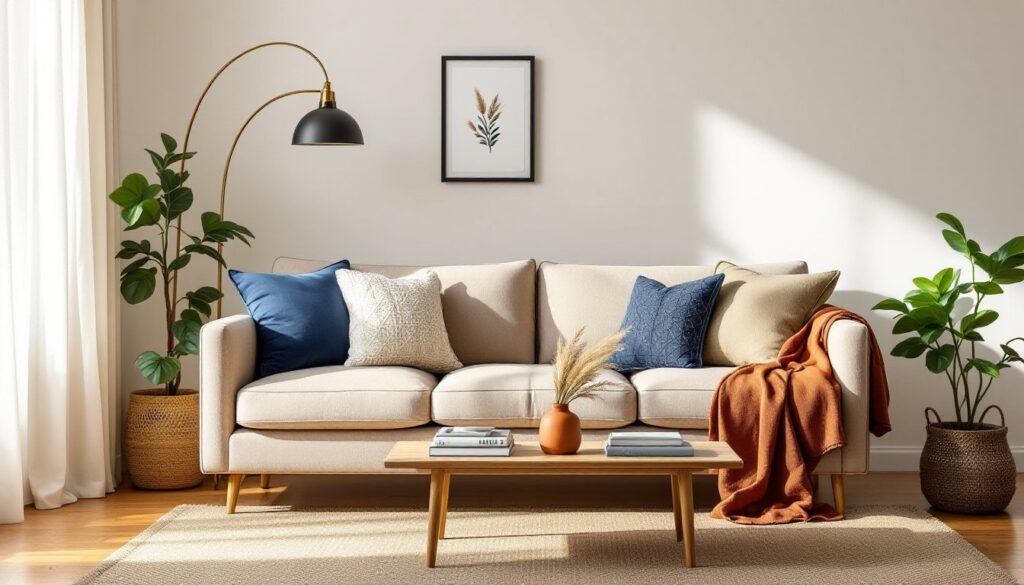
For a more grounded feel, pull in earthy midtones, terracotta, rust, olive green, or warm taupe. These shades echo the brown base while adding subtle color. A rust-colored throw blanket or a pair of olive velvet pillows can tie the couch to plants, woven baskets, or ceramic accessories. This approach works especially well in open-concept spaces where the living room flows into a kitchen with wood cabinetry or natural stone countertops.
Keep contrast intentional. If the couch leans yellow-beige (warm tan), balance it with cooler neutrals like greige or slate. If it’s a cooler taupe, warmer accents in caramel or sand prevent the room from feeling washed out.
Bold Accent Colors That Pop Against Light Brown
Light brown is neutral enough to handle saturated accent colors without competing. Deep navy blue is a classic pairing, think navy velvet pillows, a patterned area rug with indigo details, or a navy accent wall behind the sofa. The contrast is strong but sophisticated, and it works across traditional, coastal, and modern styles.
Emerald green and forest green add richness and a connection to nature. Use them sparingly: a pair of green linen pillows, a potted fiddle-leaf fig, or a green-and-tan geometric rug. The combination feels organic and grounded, especially when paired with wood and brass accents.
For a livelier vibe, mustard yellow or burnt orange bring warmth and energy. These shades amplify the brown’s golden undertones and work well in mid-century modern or eclectic spaces. Balance them with neutrals to avoid overpowering the room, mustard pillows on a tan couch, for example, paired with white walls and a natural fiber rug.
Blush pink and terracotta offer softer contrast. Blush adds a contemporary, feminine touch without reading overly sweet when grounded by brown. Terracotta nods to Southwestern and Mediterranean design, pairing beautifully with woven textiles and ceramic accessories. Both colors benefit from natural light, so they’re ideal for south- or west-facing living rooms.
Choosing Throw Pillows and Textures for Visual Interest
Pillows are the fastest way to shift a room’s mood, and with a light brown couch, the options are wide open. Start with scale and proportion: 18-inch square pillows work for most standard sofas, with one or two 22-inch pillows for larger sectionals. Mix in a lumbar pillow (12 x 20 inches or 14 x 26 inches) for variety.
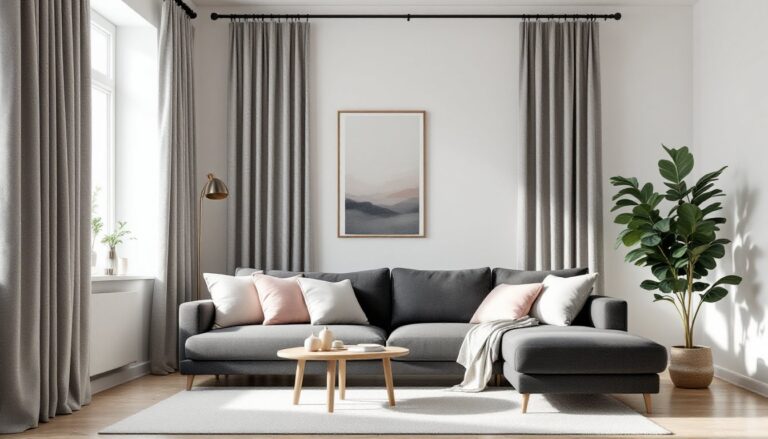
Texture matters as much as color. Pair smooth linen or cotton with chunky knits, velvet, or faux fur to create tactile contrast. A tan couch in smooth leather benefits from soft, matte fabrics like linen or cotton canvas. A linen or microfiber couch can handle shinier materials, velvet, silk blends, or even a leather accent pillow.
Pattern should be intentional. If the room is heavy on solids, introduce one or two patterned pillows, geometric prints, subtle florals, or tribal-inspired designs, in colors that tie to your accent palette. Keep scale in mind: large-scale patterns work on bigger pillows, while smaller prints suit lumbar cushions. Avoid too many competing patterns: stick to one or two and layer with solids in coordinating hues.
Don’t forget inserts. Down or down-alternative inserts in a size two inches larger than the cover (e.g., a 20-inch insert for an 18-inch cover) create a plump, high-end look. Cheap, under-filled pillows flatten fast and cheapen the whole setup.
Rug Selection and Placement Tips for Light Brown Couches
A rug anchors the seating area and defines the room’s visual boundaries. For a light brown couch, choose a rug that either complements the neutral base or introduces color and pattern without clashing.
Size and placement come first. In most living rooms, an 8 x 10-foot or 9 x 12-foot rug works for standard seating arrangements. The front legs of the couch and chairs should sit on the rug, with at least 12 to 18 inches of exposed flooring around the perimeter. This creates cohesion without crowding the space. In smaller rooms, a 5 x 7-foot or 6 x 9-foot rug can work if placed fully under the coffee table with the couch and chairs pulled close.
For color and pattern, neutral rugs in jute, sisal, or a low-pile wool in cream, gray, or tan provide texture without competing with the couch. These work well in minimalist, Scandinavian, or coastal spaces. If the room needs more interest, choose a patterned rug that pulls in your accent colors, Persian or Turkish rugs in navy, rust, and cream add traditional warmth: geometric or tribal prints in terracotta and olive suit eclectic or bohemian styles.
When selecting rugs, experts at Homedit often recommend grounding neutral furniture with textured or patterned floor coverings to add dimension. Avoid pale rugs (white, cream, light gray) if the couch is a similar shade, there’s not enough contrast, and the room feels washed out. A medium to dark rug grounds the space and makes light-colored furniture feel intentional rather than accidental.
Wall Colors and Treatments That Enhance a Light Brown Sofa
Wall color sets the stage for everything else. With a light brown couch, the goal is either to create contrast or to build a tonal, layered backdrop, both approaches work, depending on the room’s size, natural light, and style.
Warm whites and soft creams (Benjamin Moore’s Swiss Coffee, Sherwin-Williams’ Alabaster) are safe, versatile choices that reflect light and make small or dimly lit rooms feel larger. They won’t clash with wood trim or flooring and provide a clean canvas for colorful accents. Use a satin or eggshell finish for easy cleaning in high-traffic areas.
For more personality, try warm mid-tones. Soft sage, muted olive, or dusty blue add color without overwhelming the space. These shades work especially well in rooms with ample natural light. In north-facing rooms with cooler light, stick to warmer tones like terracotta, clay, or warm taupe to balance the cooler ambient light.
Darker accent walls can anchor a light brown couch and create dramatic contrast. Deep charcoal, navy, or forest green work well on the wall behind the sofa, especially when paired with brass or black sconces, framed art, or floating shelves. Avoid placing a light brown couch against a brown or tan wall, it blends in and loses definition. If the walls are already light brown or beige, consider refreshing wall colors to create contrast.
Beyond paint, wall treatments add texture and interest. Shiplap or board-and-batten painted in warm white or soft gray suits farmhouse or coastal styles. A textured plaster finish or limewash paint in cream or clay tones brings organic, earthy warmth to modern or Mediterranean spaces. Peel-and-stick wallpaper in subtle geometric or botanical prints offers a temporary, renter-friendly option for adding pattern without commitment.
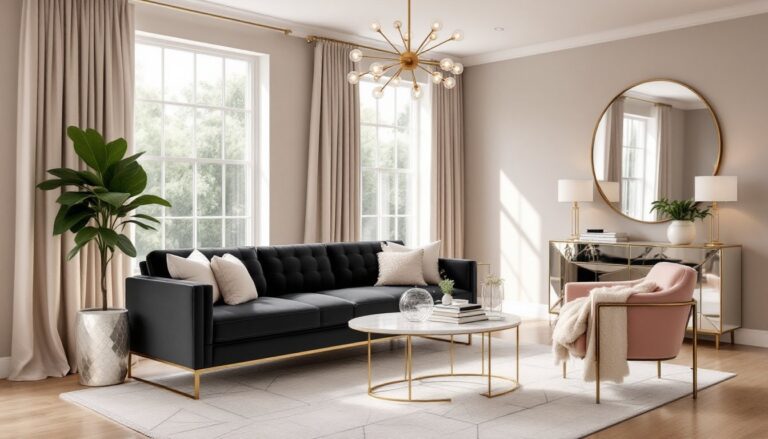
When choosing finishes, professionals featured in interior design guides emphasize balancing matte and reflective surfaces, pair a matte wall with glossy or metallic accents (mirrors, metal frames, glass lamps) to keep the room dynamic. If the couch is matte fabric, introduce shine through wall art frames, light fixtures, or hardware.