
Table of Contents
ToggleBare walls can make even a well-furnished living room feel incomplete. Modern wall decor does more than fill empty space, it establishes the room’s personality, anchors furniture arrangements, and creates visual interest without clutter. The challenge isn’t finding something to hang: it’s choosing pieces that feel current, cohesive, and genuinely reflect how people live in 2026. This guide walks through practical wall decor strategies that work with contemporary design principles, from installation techniques to material choices that hold up over time.
Key Takeaways
- Modern wall decor for living rooms prioritizes clean lines, authentic materials like natural wood and hand-woven textiles, and intentional negative space over cluttered arrangements.
- Single oversized statement pieces (50–63″ wide for standard sofas) create more dramatic impact than clusters of small frames when installed with proper heavy-duty mounting hardware.
- Contemporary gallery walls combine varied frame depths, mixed media, and sculptural objects in asymmetrical arrangements with 2–4″ spacing between pieces for a curated, non-generic look.
- 3D wall panels and dimensional elements like floating shelves add architectural interest while maintaining modern aesthetics when styled with restraint and complementary materials.
- Metal wall art and sculptures bring industrial-modern character with durability, but require careful design integration to match existing hardware finishes like brushed nickel or oil-rubbed bronze.
- Proper installation—including stud location mapping, appropriate anchors for wall type, and quality picture lighting—transforms wall decor from decoration into a true focal point that defines your living room’s personality.
What Makes Wall Decor ‘Modern’ in 2026?
Modern wall decor prioritizes clean lines, intentional negative space, and materials that feel authentic rather than mass-produced. The shift away from overly busy arrangements means fewer pieces with greater impact. Think large-scale photography, hand-finished metal work, or textured fiber art rather than collections of small prints in matching frames.
Material authenticity matters more than it did five years ago. Buyers gravitate toward natural wood, raw steel, hand-woven textiles, and ceramic elements that show craftsmanship. Plastics and synthetic finishes feel dated unless they’re high-quality acrylic used for specific design effects like floating frames or LED-backlit panels.
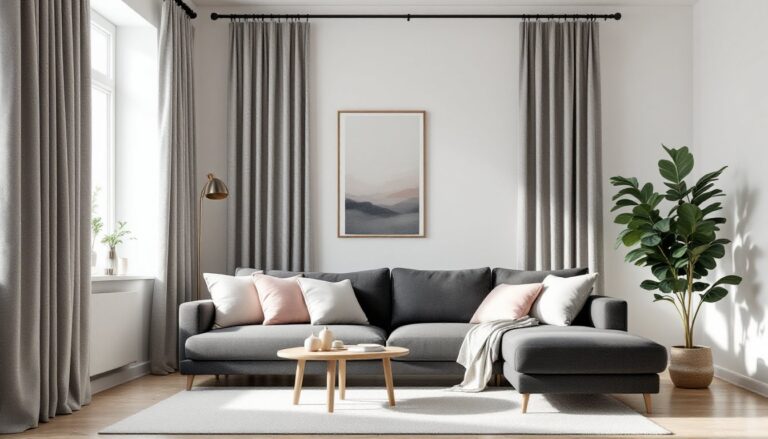
Color palettes lean toward muted earth tones, warm grays, and organic greens, with pops of terracotta or deep charcoal. The all-white gallery wall trend has given way to layered neutrals with varied textures. Current design from sources like modern home decor trends shows a preference for wall installations that incorporate natural materials alongside contemporary forms.
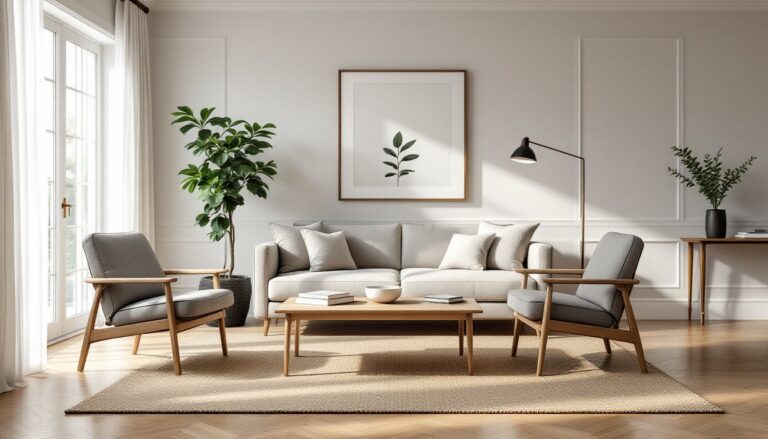
Scale and proportion define modern installations. A single 48″ × 60″ canvas often works better than a cluster of small frames. When grouping pieces, asymmetrical arrangements with breathing room between elements replace rigid grid layouts. The goal is to create a curated look that doesn’t scream “decorator package from a big-box store.”
Gallery Wall Arrangements with a Contemporary Twist
Gallery walls still work, but the execution has evolved. Contemporary gallery walls use varied frame depths, mixed media, and sculptural objects alongside traditional prints. Instead of identical black frames in a perfect grid, combine thin metal frames, shadow boxes, floating shelves with small objects, and framed textiles.
Installation requires careful planning. Map the layout on kraft paper taped to the wall before driving a single nail. Maintain 2″–4″ spacing between pieces for a cohesive look that doesn’t feel cramped. Use a laser level to establish horizontal baselines, even in asymmetrical arrangements, aligning top or bottom edges of certain pieces creates visual anchors.
For hanging hardware, D-rings and picture wire work for lighter frames (under 10 lbs), but heavier pieces need two mounting points. Install #8 screws into wall studs for anything over 15 lbs, or use toggle bolts rated for drywall if studs aren’t positioned where you need them. Mark stud locations with painter’s tape before you start, finding them mid-installation breaks your workflow.
Contemporary gallery walls incorporate dimension. Add a small floating shelf mid-arrangement to display a ceramic vessel or sculptural object. Include one or two pieces without frames, a woven wall hanging or metal sculpture breaks up the framed-art monotony. The key is intentional variety that still feels like a unified collection, not random wall coverage.
Oversized Statement Art and Abstract Pieces
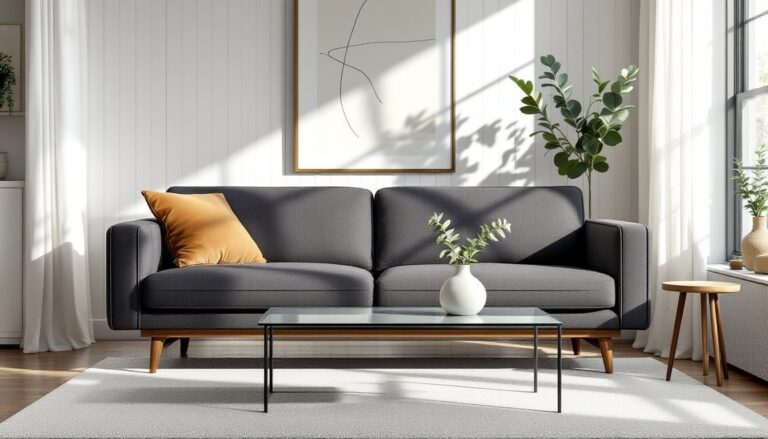
A single large-scale piece anchors a living room faster than any arrangement of smaller art. Aim for artwork that covers roughly 60–75% of the furniture width below it. For a standard 84″ sofa, that translates to a piece or grouping between 50″ and 63″ wide. Going too small makes the art look lost: oversized creates dramatic impact.
Abstract art works well in modern spaces because it doesn’t compete with architectural details or furniture. Large-format photography, especially black-and-white architectural shots or landscape work, delivers the same visual weight without reading as overly artistic. If the homeowner isn’t drawn to abstract work, oversized botanical prints or minimalist line drawings offer similar scale with more accessible subject matter.
Installation gets serious with pieces this size. A 48″ × 60″ stretched canvas weighs 15–25 lbs depending on frame construction. Use two heavy-duty D-rings mounted one-third down from the top edge, connected with braided picture wire. Drive two #10 screws into wall studs, or use heavy-duty toggle bolts rated for 50 lbs each if stud placement doesn’t align with your desired position. Many large canvases now come with French cleats for more secure mounting, worth requesting if ordering custom work.
Lighting transforms oversaged art. Picture lights mounted to the frame work for traditional setups, but track lighting or adjustable recessed spots offer more flexibility. Position lights to minimize glare, typically 30° from vertical. For textured or heavily impasto work, graze the light from the side to emphasize surface relief. Proper lighting isn’t decorative, it’s the difference between a focal point and an expensive decoration that disappears at night.
3D Wall Panels and Textured Accents
Dimensional wall panels add architectural interest without permanent structural changes. These range from wood slat systems to PVC panels with geometric patterns to acoustic felt tiles that also improve sound quality. Modern options from retailers focused on interior design trends include bamboo, reclaimed wood, and eco-composite materials that install with construction adhesive and finishing nails.
Installation varies by material. Wood slat panels typically mount to horizontal furring strips screwed into studs at 16″ on center. This creates an air gap that improves acoustics and allows for running low-voltage wiring if adding LED accent lighting. Level the first furring strip carefully, it establishes the baseline for everything above it.
PVC and composite panels often use a tongue-and-groove system. Apply panel adhesive (like Loctite PL Premium) to the back, press into position, and secure with 18-gauge brad nails while the adhesive sets. Start from one corner and work across, checking level every third panel. Minor adjustments are easier than ripping down installed panels.
Acoustic felt tiles work well for media walls or open-plan spaces where sound management matters. These typically use peel-and-stick backing or mounting clips. The advantage is easy repositioning and zero damage to drywall, useful in rentals or for homeowners who change design directions frequently. Choose tiles in complementary colors to create subtle geometric patterns rather than a flat monochrome installation.
Safety note: Always check what’s behind the wall before driving fasteners. Use a stud finder with AC wire detection to avoid electrical runs. In older homes, assume there might be knob-and-tube wiring or old plumbing, probe carefully with a finish nail before committing to screw locations.
Minimalist Shelving and Floating Displays
Floating shelves function as both storage and display, breaking up wall expanses while staying clean-lined and unobtrusive. Modern installations favor solid wood or steel shelves 8″–12″ deep and 36″–60″ wide, installed solo or in asymmetrical groupings rather than stacked symmetrically.
Installation method determines weight capacity. Floating shelf brackets typically use two or three steel rods that insert into the shelf and mount into the wall. For solid wood shelves, drive 5/16″ lag bolts through the mounting plate directly into studs for maximum support, expect 150–200 lbs capacity per shelf with proper stud mounting. If stud spacing doesn’t align with your design, heavy-duty toggle bolts rated for 100 lbs each work in 1/2″ or 5/8″ drywall, but test with incremental weight before loading with books or ceramics.
Styling floating shelves takes restraint. Group objects in odd numbers (three or five items), vary heights, and leave at least 30% of the shelf surface empty. Mix materials, a wood bowl, metal bookend, and ceramic vase creates more interest than three similar objects. Lean a small piece of art against the wall rather than hanging it, or layer a framed print behind a sculptural object.
Ledge shelves (3″–4″ deep) work for rotating art displays. Unlike traditional frames that require patching nail holes when you swap pieces, ledge shelves let homeowners change artwork seasonally. Install ledges with a subtle forward tilt (about 5° from level) so pieces naturally lean back against the wall rather than sliding forward. This requires shimming the bottom mounting bracket slightly thicker than the top.
Metal Wall Art and Sculptural Elements
Metal wall art brings dimension and industrial-modern character that printed art can’t match. Current options include laser-cut steel geometric designs, welded abstract sculptures, aged brass botanicals, and powder-coated aluminum in matte black or warm bronze finishes. The material weight and finish durability make metal pieces practical for high-traffic living rooms where lighter decor might get damaged.
Mounting requirements scale with piece size and weight. Small metal art under 5 lbs can hang on standard picture hooks. Medium pieces (5–15 lbs) need screws into studs or quality drywall anchors, toggle bolts or threaded drywall anchors rated appropriately. Large sculptures over 20 lbs often include welded mounting tabs: use 1/4″ lag screws into studs, pre-drilling with a 3/16″ bit to prevent wood splitting.
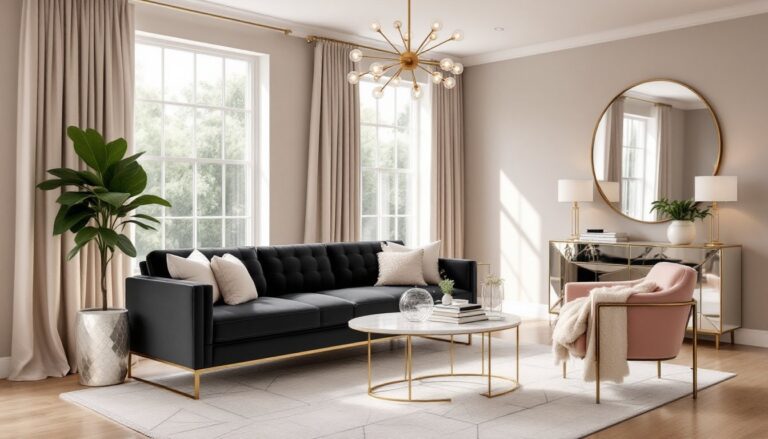
Design integration matters with metal art. In rooms with warm wood tones and soft textiles, aged brass or copper-finished pieces feel cohesive. Spaces with concrete, glass, and cool grays pair better with raw steel or matte black powder coat. Mixed-metal works when finishes complement existing hardware, if door handles and light fixtures are brushed nickel, adding oil-rubbed bronze wall art creates visual discord.
Many modern metal pieces from collections like those shown in modern wall art incorporate LED backlighting or cut-out patterns that create shadow play when properly lit. Position these pieces where natural or artificial light hits at an angle during peak room use, typically opposite windows or adjacent to floor lamps. The dimensional effect that makes metal art compelling gets lost in dead-flat lighting.
Maintenance is minimal but not zero. Wipe powder-coated finishes with a microfiber cloth: avoid harsh cleaners that can dull the finish. Raw steel develops patina, that’s often intentional, but if it’s unwanted, apply a clear matte sealer annually. Brass and copper pieces can be left to age naturally or polished with appropriate metal cleaners depending on the desired look.
Conclusion
Modern wall decor succeeds when it balances visual impact with installation quality. Whether it’s a single oversized canvas, a curated gallery arrangement, or dimensional panels that add architectural texture, the execution matters as much as the design. Proper mounting hardware, attention to scale, and honest material choices separate a thoughtfully designed living room from one that just has stuff on the walls. Start with one focal wall, invest in quality pieces that reflect actual taste rather than trends, and don’t skip the level.